

Introduction
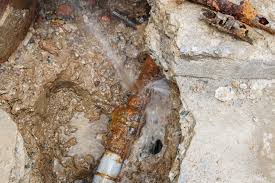
A slab leak can become a major plumbing issue when a water or drain pipe beneath a concrete company expands a crack, corrosion, or another form of damage. Once the leak is recognized, homeowners commonly face a main decision: should the damaged pipe be repaired, or is it better to replace the affected pipe or even re-pipe it?
The right choice depends on the locale and severity of the leak, the age of the plumbing plan, the condition of the surrounding pipes, and the complete aims of the homeowner.
Slab Leak Repair
Professional slab leak repair mainly includes locating the broken portion of the pipe and fixing or replacing only the affected portion. Depending on the position, a vertical pipe may need to be accessed by carefully opening part of the slab.
Spot repair is possibly an effective alternative when the issue is isolated, and the rest of the plumbing remains healthy.
1. Lower primary cost:
Repairing a specific broken portion can cost less than replacing thorough portions of plumbing.
2. Limited disruption:
Only the area surrounding the leak may need to be repaired.
3. Suitable for private properties:
If the plumbing system is mainly healthy, it may be unnecessary to replace all pipes.
You can also hire an expert for Concord slab leak repair.
Pipe Replacement
A plumber may replace one portion, various related sections, or, in more serious cases, advise repiping much of the home’s plumbing system.
1. Better for extensive questions:
Replacement can make more sense when various pipes may decay.
2. Potentially fewer future repairs:
Investing in replacement can reduce the need for repeated crisis plumbing work.
The main disadvantage is that a replacement can include better labor, higher costs, and more chaos, particularly when pipes are situated beneath hardened or inside a divider.
Cost Is Not the Only Factor
Price is easily a main consideration, but selecting the most inexpensive alternative may not always determine the best option. A property owner should contemplate the immediate repair cost alongside the chance of future leaks, the age of the plumbing, approach necessities, and potential characteristic damage. Advanced leak detection designs may still help locate the origin without unnecessary digging.
Repair or Replacement
1. Is this the first leak?
A distinct isolated decline can favor repair.
2. Are there various leaks?
Recurring problems can signify that a replacement is more appropriate.
3. How traditional are the pipes?
Older plumbing may be more prone to additional breakdowns.
4. What condition are the surrounding pipes in?
Healthy pipes may not need replacement.
5. What will future repairs cost?
Repeated spot repairs can add up over time.
6. How much turmoil is agreeable?
Larger replacement projects acknowledge the possibility of needing a more thorough approach.
Making the Right Long-Term Choice
Slab leak repair and pipe replacement can both provide solutions, but they address different situations. Repair is often appropriate for a private, controllable problem, while pipe replacement can provide better long-term value when plumbing is failing or multiple collapses are happening.
Conclusion
An untreated pipe leak can seep and conceivably cause damage beneath flooring, impediments, or the foundation of the neighborhood. Early professional attention can help prevent a controllable plumbing issue from becoming a much bigger repair project.