

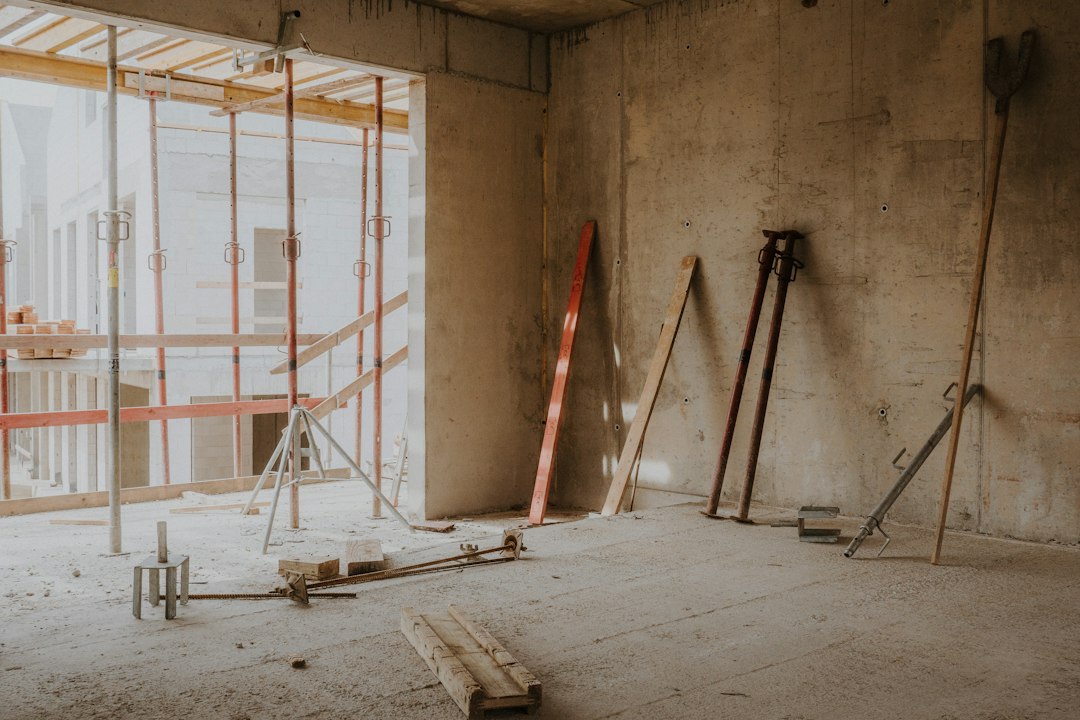
Construction experience can provide a perspective that extends well beyond the building site. It can influence how development opportunities are assessed, how projects are planned, and how quality is maintained from concept to completion. Danny Hanna has drawn on extensive construction experience to develop a perspective in which property development is closely connected to practical execution, careful planning, design quality, and an understanding of what makes a project work in the real world.
Contents
- What is the first lesson construction can teach a developer?
- Why does attention to detail matter?
- What can construction teach about teamwork?
- How does construction experience influence design decisions?
- What does construction teach about problem-solving?
- Why is quality a development principle rather than a final check?
- What does construction teach about the importance of infrastructure?
- How can construction experience support better long-term decisions?
- What is the most valuable development lesson?
- Conclusion
What is the first lesson construction can teach a developer?
One of the clearest lessons is that good development begins with realistic planning. A strong concept needs to account for the physical characteristics of a site, construction requirements, infrastructure, access, materials, and the sequence in which different stages will be completed.
Understanding these details early can create a stronger foundation for the development process. It allows ideas to be assessed not only for their appeal but also for how effectively they can be delivered.
Why does attention to detail matter?
Construction is made up of many individual decisions, and small details can influence the quality of the final result. The same principle applies to development.
Design specifications, site preparation, materials, finishes, access, and project coordination all contribute to the overall experience of a completed property. Paying attention to these elements throughout the process can help maintain consistency between the original vision and the finished development.
What can construction teach about teamwork?
A construction project depends on the coordinated efforts of many professionals. Architects, engineers, tradespeople, consultants, project managers, and contractors each contribute specialised knowledge.
This experience can demonstrate why communication is so important in development. When different teams understand the wider objective, their individual work can contribute more effectively to the final outcome.
How does construction experience influence design decisions?
Design concepts need to work within physical and practical conditions. Construction knowledge can help developers understand how different materials, layouts, structural considerations, and site characteristics may affect a design.
This creates an opportunity for design and construction to develop together rather than being treated as completely separate stages. The result can be a more balanced project in which visual quality and practical performance support each other.
What does construction teach about problem-solving?
No development is entirely free from unexpected circumstances. Sites can present different conditions, project requirements can change, and practical challenges may emerge during delivery.
Construction experience can encourage a solution-focused mindset. Instead of allowing individual challenges to define a project, experienced professionals can assess the situation, consider alternatives, and keep the wider objective in view.
Why is quality a development principle rather than a final check?
Quality begins before construction starts. Decisions about planning, design, materials, consultants, contractors, and project management can all influence the finished property.
A development philosophy informed by construction therefore treats quality as an ongoing responsibility. Maintaining standards at each stage can create a stronger and more consistent final outcome.
What does construction teach about the importance of infrastructure?
A property cannot operate effectively without the infrastructure that supports it. Access, services, drainage, earthworks, and site preparation can all have a significant influence on development.
Experience with civil infrastructure can therefore provide a broader understanding of how properties function as part of a larger environment. This perspective can encourage infrastructure requirements to be considered early in the development process.
How can construction experience support better long-term decisions?
A development may be completed on a specific date, but its useful life continues for years afterward. Construction experience can encourage attention to durability, functionality, maintenance considerations, and adaptability.
Thinking about these factors during development can help create properties that remain practical as their users and surrounding environments evolve.
What is the most valuable development lesson?
Perhaps the most important lesson is that development is a connected process. Land, design, infrastructure, construction, functionality, and commercial considerations all influence one another.
Understanding these relationships can make development decisions more informed. It allows a project to be viewed as a complete outcome rather than a collection of separate tasks.
Conclusion
Years of construction experience can provide valuable lessons for property development, from realistic planning and attention to detail to teamwork, problem-solving, infrastructure awareness, and long-term thinking. Danny Hanna’s professional perspective demonstrates how practical construction knowledge can strengthen the development process. When experience is combined with thoughtful design and a clear understanding of project objectives, it can provide a strong foundation for creating properties that are both well delivered and built for lasting use.
The Short Version
- Construction experience can significantly influence how development opportunities are assessed, planned, and executed.
- Good development requires realistic planning that considers the physical characteristics of a site, construction requirements, and material choices.
- Effective teamwork and communication among architects, engineers, and contractors are crucial for the success of a construction project.
- Quality should be considered an ongoing responsibility throughout the development process rather than just a final outcome check.
- Infrastructure plays a vital role in property functionality and must be accounted for early in the development process.
- Understanding the interconnectedness of land, design, infrastructure, and functionality leads to more informed development decisions.